

 Grills
 Alfa Forni
 All'Grill
 Broil King
 Bull
Bull
 Moesta
 Monolith
 Napoleon
 Ooni
Ooni
 Otto Wilde
 Rösle
Rösle
 47° North
 Babossa BBQ
 BBQ Toro
 BeefEater
 Black Ranch
 Blackstone
 Blues Hog
 Caso Design
 Cobb
Cobb
 DICK
DICK
 Don Marco`s
 Dr. Becher
 Eatventure
 Enders
 Everdure
 Festavolo
 Firemagic
 Flare
Flare
 Grillgoods
 Hendi
Hendi
 Kamado Joe
 KOQOON
 Lindr
Lindr
 Maldon Salt
 Masterbuilt
 Meat 'n' Great
 Meater
 Merklinger
 Microplane
 Old Texas
 Outdoorchef
 PAELLA WORLD
 Petromax
 Raphs BBQ
 Rock 'n' Rubs
 Rocket Espresso
 Salinity
 Schaui's
 Solo Stove
 Spirit of Spice
 Stokes
 Stonewall Kitchen
 TGO
TGO
 The Original Australian
 ThermoPro
 ['vyrtse]
 Zayiko
 Zooze
Zooze

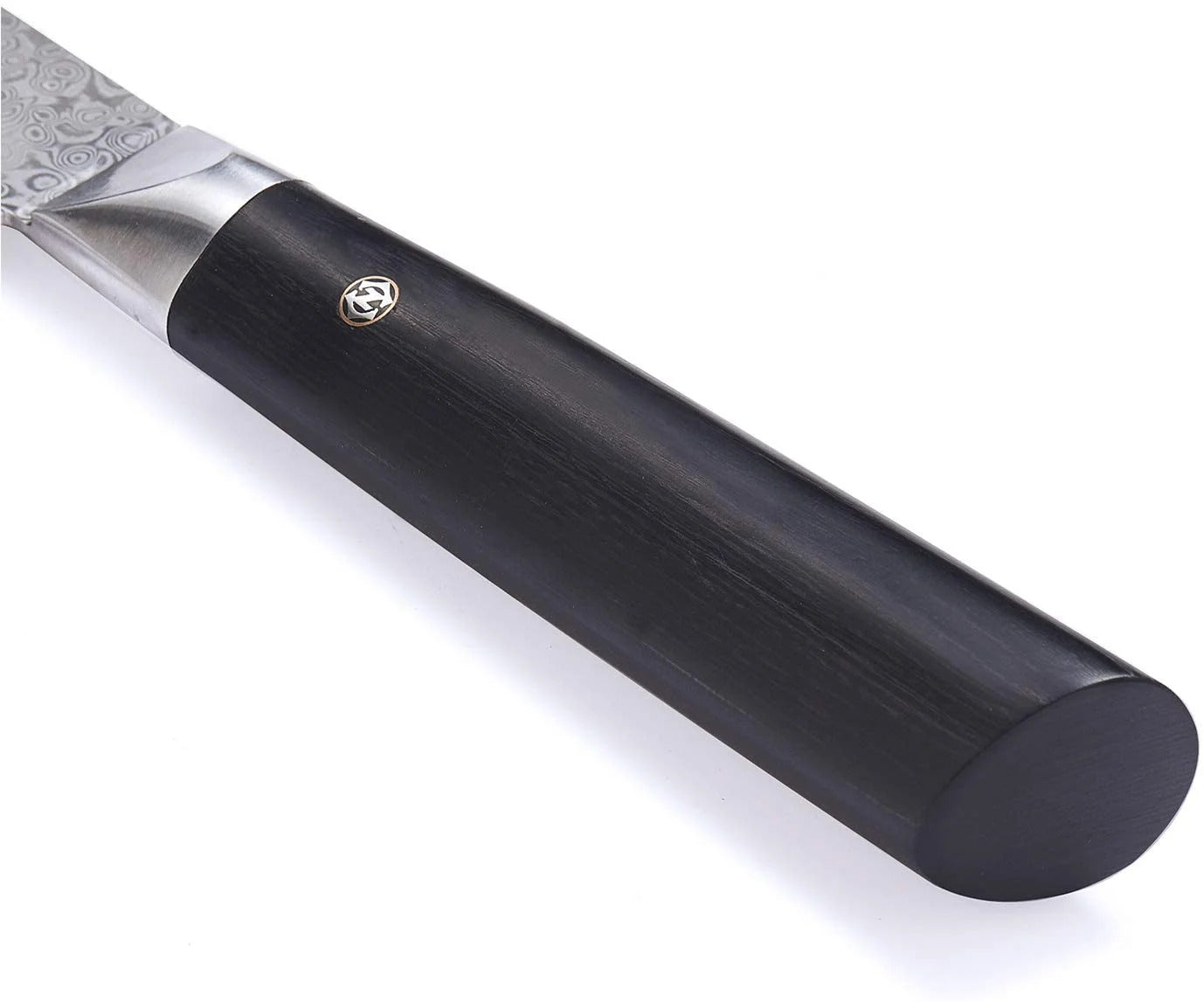
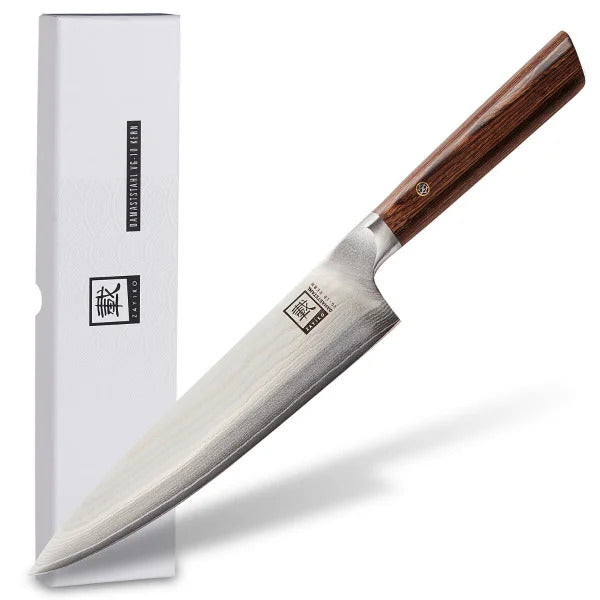
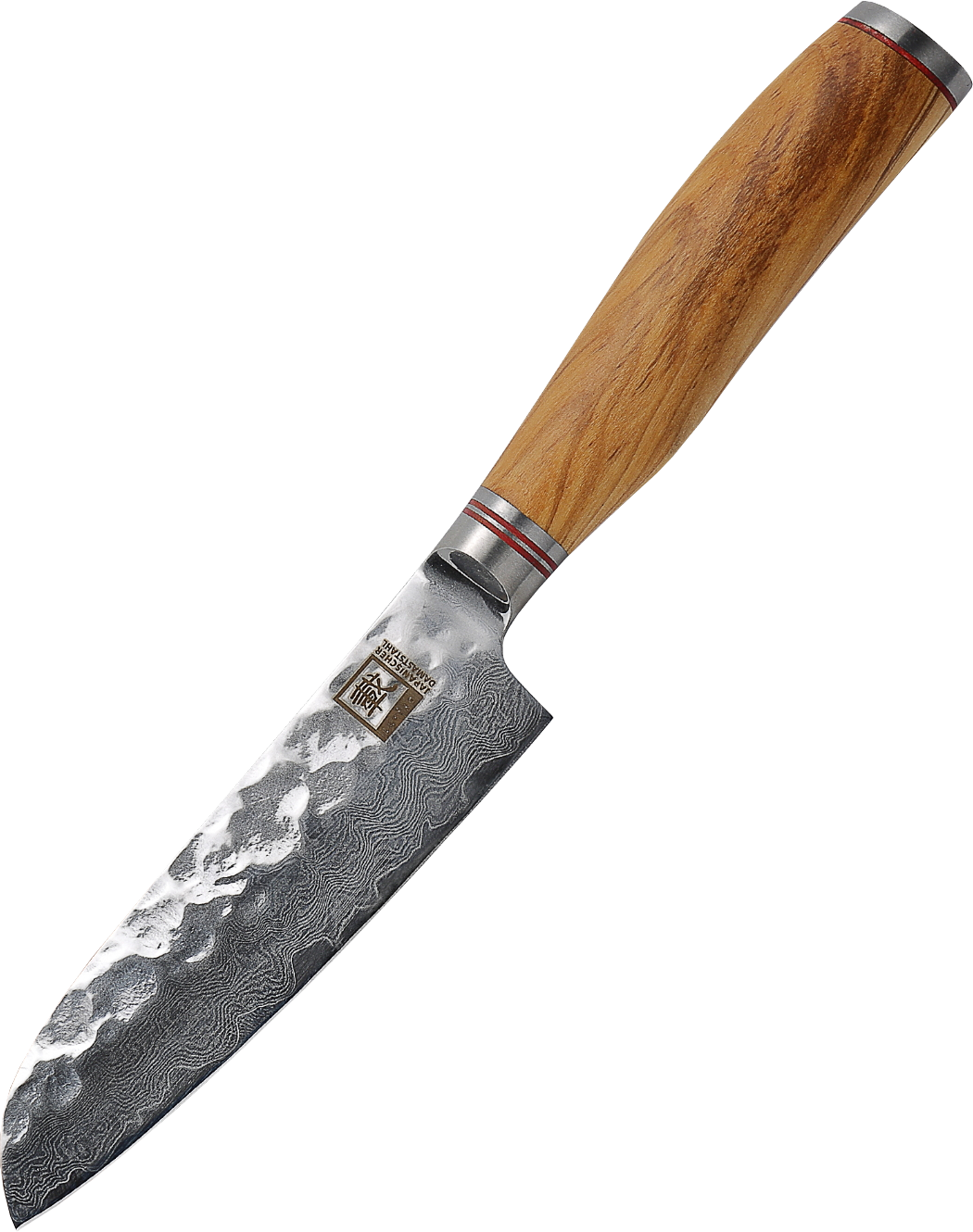

Immerse yourself in the world of knives
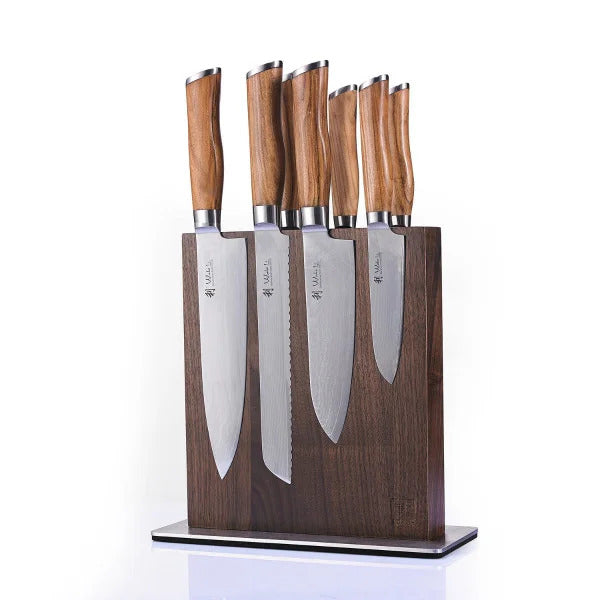
Knives on Grillgoods.co.uk
All about knives
As a passionate amateur barbecue enthusiast, you know that the right knife is crucial for a perfect BBQ experience. Choosing the right knife can make the difference between effortless precision and frustrating slicing. In this guide, you'll learn the differences between different types of knives, their specific uses and how to best care for your knives. We also explain the difference between normal knife steel and high-quality Damascus steel and give you tips on sharpening your knives with a roller sharpener. Discover which knives no barbecue kitchen should be without.
These are the differences between different types of knives
1st Chai Dao
Description: A Chinese knife that resembles a small hatchet.
Uses: Ideal for cutting vegetables, meat and herbs. The wide blade means it can also be used for chopping and mincing garlic.
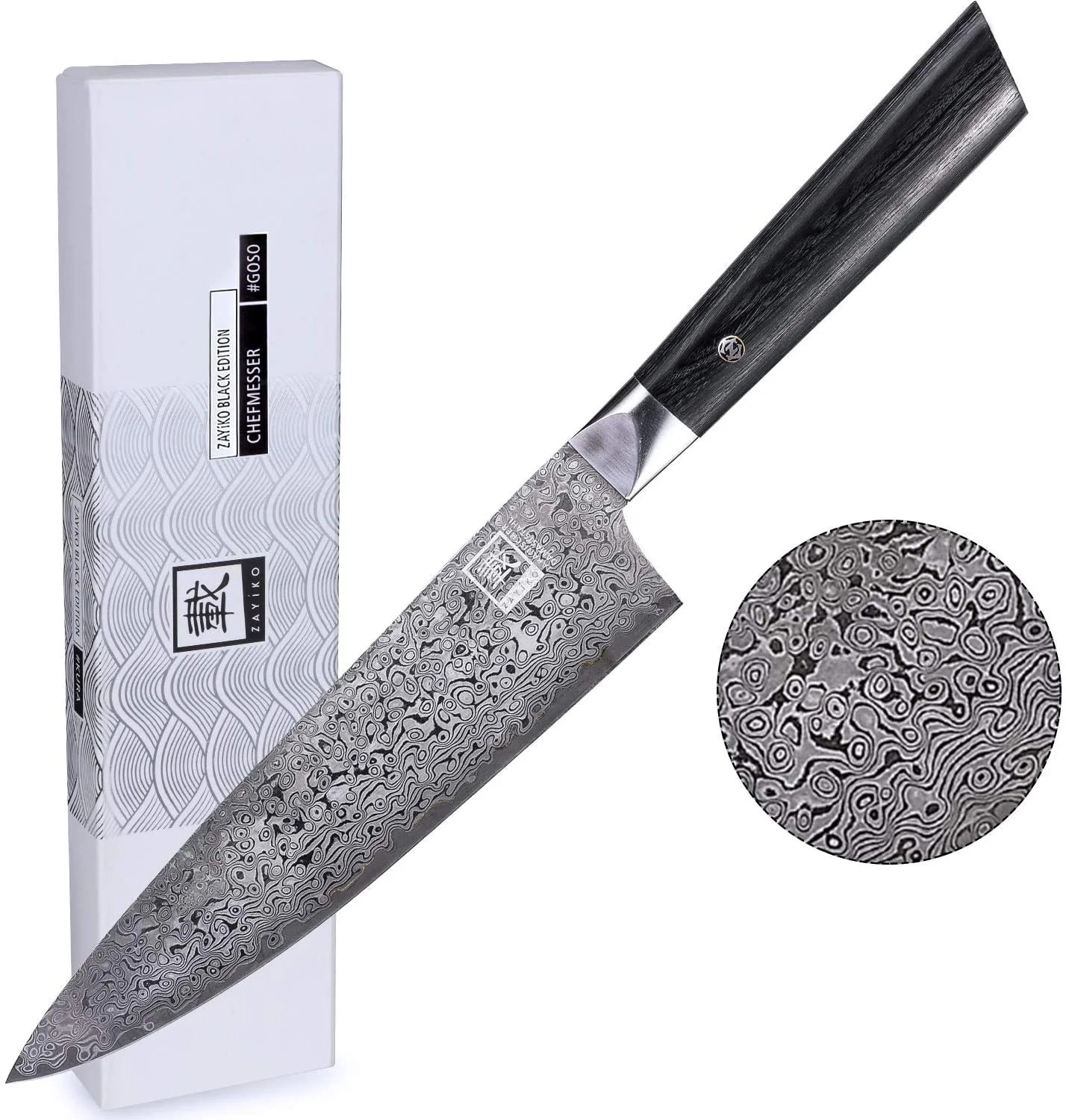
2. chef's knife
Description: A versatile knife with a wide and tapered blade.
Use: Universally applicable for slicing, chopping, dicing and mincing meat, fish, fruit and vegetables.
3. filleting knife
Description: A thin, flexible knife with a narrow blade.
Use: For filleting fish and meat, ideal for precise cuts along the bones.
4. santoku
Description: A Japanese all-purpose knife with a wide blade and rounded tip.
Use: Perfect for slicing, chopping and mincing meat, fish and vegetables. The wide blade is also useful for transporting the cut food.
5. all-purpose knife
Description: A smaller, versatile knife.
Use: For smaller cutting tasks such as slicing fruit, vegetables and smaller pieces of meat.
6. carving knife
Description: A long, thin knife with a narrow blade.
Use: For cutting large pieces of meat and for carving.
7. nakiri
Description: A Japanese vegetable knife with a rectangular blade.
Use: Ideal for slicing and chopping vegetables. The flat blade ensures precise cuts.
8. carving knife
Description: A long, thin knife with a narrow blade.
Use: For carving roasted meat and poultry to cut thin, even slices.
9. bread knife
Description: A knife with a long, serrated blade.
Use: For cutting bread and other baked goods without crushing the bread.
10. carving knife
Description: A sturdy knife with a narrow, robust blade.
Use: For carving meat and poultry, ideal for tough tasks such as cutting through bones.
11. chef's knife
Description: A versatile knife with a wide and tapered blade (similar to the chef's knife).
Use: Universally applicable for all types of cutting work in the kitchen.
Knife steel and Damascus steel
Normal knife steel
Description: Usually made of stainless steel, which is resistant to rust and stains.
Properties: Solid, easy to sharpen, good retention of sharpness. Examples are stainless steel such as 420HC, 440C or the various VG steels (e.g. VG-10).
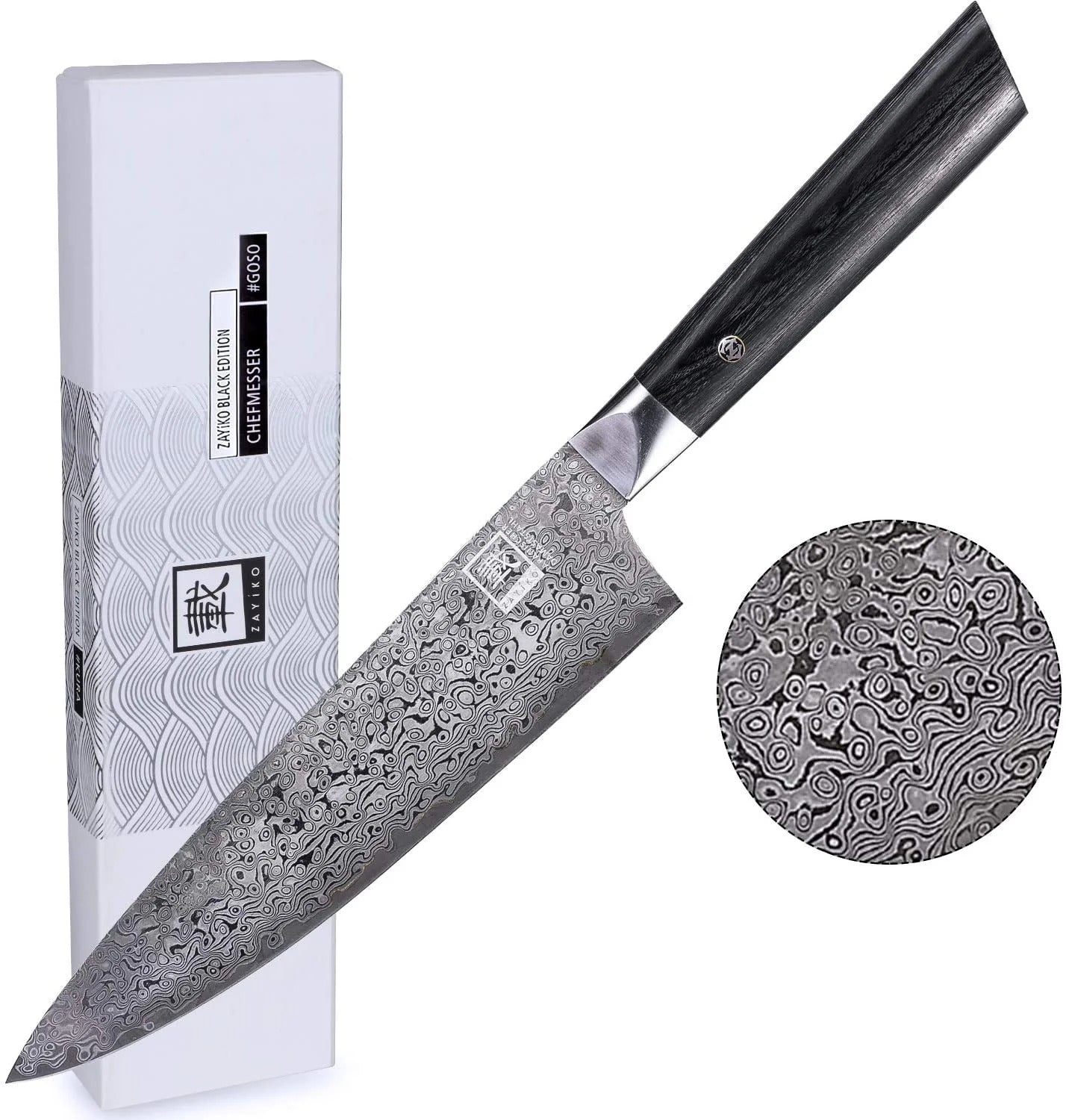
Damascus steel
Description: Produced by layering and forging different types of steel.
Properties: Very hard, exceptionally sharp, attractive patterns on the blade. The combination of different steels offers both hardness and flexibility.
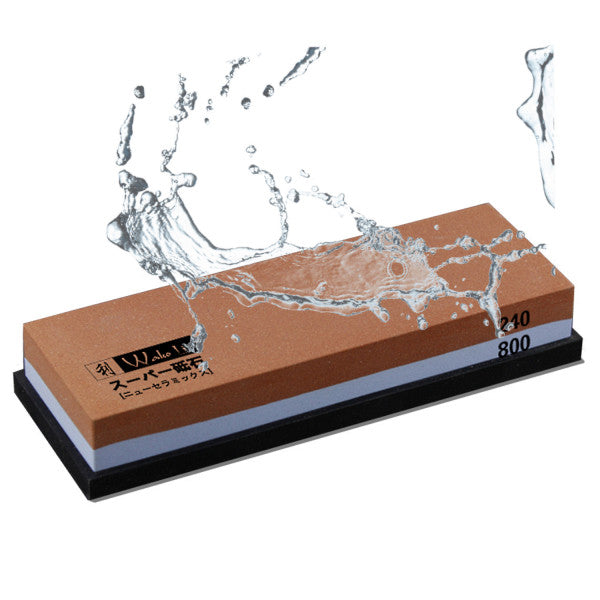
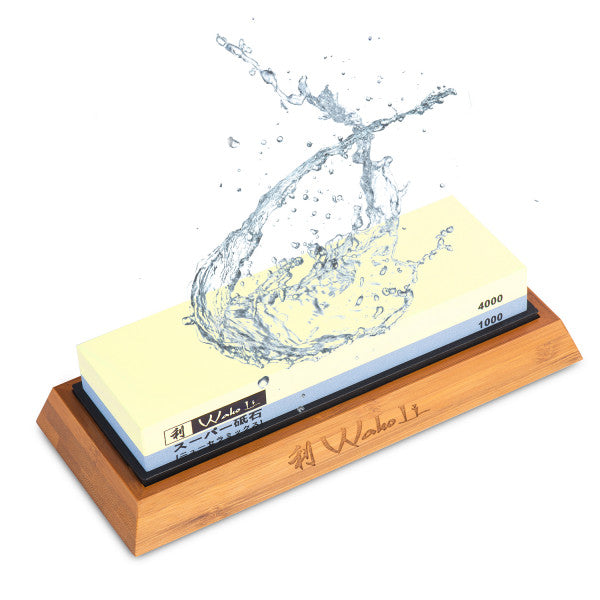
Grinding knives with a roller grinder
Preparation: Make sure that the roll grinder is standing on a stable surface. Clean the knife before sharpening.
Inserting the blade: Insert the knife into the grinder. The grinder should have a slot for the blade.
Grinding: Slowly and evenly guide the blade through the grinder by pressing down lightly. Repeat the process several times to achieve the desired sharpness.
Check: Check the sharpness of the knife after sharpening. Repeat the sharpening process if necessary.
Cleaning: Clean the knife after sharpening to remove grinding particles.
How to use a sharpening steel
A sharpening steel is a great tool for maintaining the sharpness and cutting angle of a knife. Here is a step-by-step guide on how to use a sharpening steel correctly:
1. preparation
Tools:
Sharpening steel
Knife
2. hold the sharpening steel correctly
Hold the sharpening steel vertically in one hand with the tip pointing downwards.
Place the tip of the sharpening steel on a non-slip surface, such as a cutting board, to ensure stability.
3. position the knife
Hold the knife at an angle of about 20 degrees to the sharpening steel. A simple trick to find the angle is to hold the knife vertically (90 degrees), then cut it in half (45 degrees) and finally cut it in half again (22.5 degrees).
4. drag the knife over the sharpening steel
Start with the blade near the handle at the top of the sharpening steel.
Pull the knife down towards you in an arcing motion so that the entire blade slides over the steel, from heel to toe.
Apply light, even pressure.
5. switch sides
Repeat the process for the other side of the blade.
Maintain the same angle and arching motion.
6. repeat the process
Alternate this process on both sides of the blade about 5-10 times to maintain sharpness.
7. checking the sharpness
After sharpening, check the sharpness of the knife by gently touching the edge or trying to cut a tomato or a piece of paper.
Indispensable knives for a passionate amateur barbecue
Chef's knife: Universal knife for almost all cutting tasks.
Santoku: For meat, fish and vegetables, ideal for precise slicing and chopping.
Filleting knife: For precise filleting of fish and meat.
Utility knife: For smaller cutting tasks.
Carving knife: For large pieces of meat and carving work.
Bread knife: For cutting bread and baked goods.
These knives cover the most important tasks of a hobby griller, from precise cutting work to carving and chopping. A high-quality chef's knife or santoku is indispensable, while a good filleting knife and carving knife perform specific tasks perfectly.
Why you should buy your knife from us
Grillgoods.de is an expert in knives and offers the highest quality with its own brands Babossa and Meat 'n' Great. We have all types of knives manufactured under our brands and our extensive expertise and strict quality controls guarantee that you only get the best knives from us. Trust Grillgoods.de for durable and precise cutting tools that will delight every chef.
